
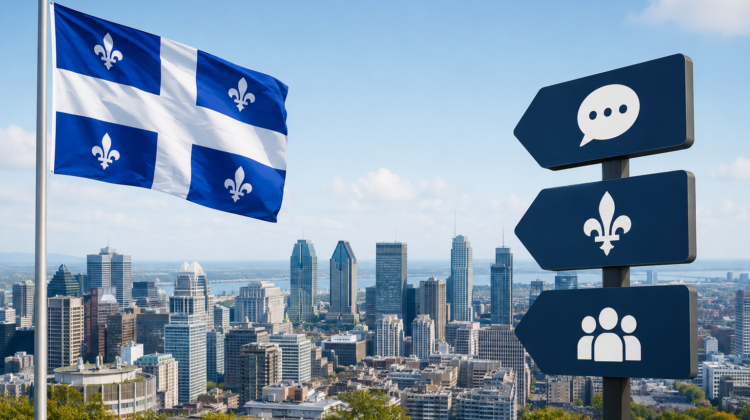
Do You Need to Speak French in Montreal?
Montreal is one of the most unique cities in Canada. It is modern, international, multicultural, and bilingual. Many newcomers, international students, workers, and visitors often ask the same question before moving here:
Do you need to speak French in Montreal?
The short answer is simple:
You can live in Montreal using English, but learning French will make your life much easier — especially if you plan to stay in Quebec long term.
Montreal Is Bilingual — But French Is Everywhere
Montreal is often described as a bilingual city because many people speak both English and French. In downtown Montreal, universities, international companies, and tourist areas, English is commonly used.
However, Montreal is still part of Quebec, where French is the official language.
You will see French everywhere:
- Street signs
- Government websites
- Public notices
- School documents
- Workplace communication
- Store signage
- Daily services
Even if you can manage many situations in English, French remains part of everyday life in Montreal.
Can You Live in Montreal Without French?
Yes — many people do, especially during their first months or years in the city.
If you are:
- a student,
- a newcomer,
- or someone working in an English-speaking environment,
you may be able to handle many daily situations in English.
That said, not speaking French can still create challenges.
Common Difficulties Without French
You may find it harder to:
- communicate with government offices,
- understand official documents,
- speak with landlords or service providers,
- find certain jobs,
- connect with local communities,
- or feel fully comfortable in Quebec society.
So while French is not always mandatory, it becomes increasingly valuable over time.
Why French Matters for Work in Montreal
French can play a major role when searching for jobs in Montreal or elsewhere in Quebec.
Some international companies operate mainly in English, but many employers still prefer candidates who can communicate in French.
This is especially true in fields such as:
- customer service,
- administration,
- healthcare,
- education,
- retail,
- hospitality,
- and local business operations.
Even a basic or intermediate level of French can strengthen your profile significantly.
Being able to speak French shows employers that you can:
- work effectively in Quebec,
- communicate with local clients,
- and integrate into the community.
French Helps You Feel More Connected to Montreal
Learning French is not only about work or paperwork.
It also helps you enjoy the city more deeply.
When you understand French, you can better experience:
- local culture,
- events,
- music,
- comedy,
- restaurants,
- news,
- and daily conversations around you.
You will also:
- understand signs more easily,
- follow local announcements,
- and feel more independent in everyday life.
Montreal has a strong cultural identity, and French is a major part of that identity.
Even if your French is imperfect, making the effort to use it helps you connect more naturally with the city.
What Level of French Do You Need?
The answer depends on your goals.
For Daily Life
If you simply want to handle basic situations, beginner French may be enough.
You can start with:
- ordering food,
- asking for directions,
- shopping,
- or making appointments.
For Work
If you want to work in a French-speaking environment, you may need an intermediate level such as:
- B1
- or B2
For Immigration or Official Requirements
If your goal involves:
- immigration,
- permanent residence,
- or official language certification,
you may need to prepare for exams such as:
- TEF Canada
- or TEFAQ
These exams evaluate:
- listening,
- reading,
- writing,
- and speaking skills.
For many candidates, preparing for these exams also improves their practical everyday French.
How to Improve Your French in Montreal
Montreal is actually one of the best places in North America to learn French because you can practise every day.
Simple Ways to Improve
You can improve your French by:
- changing your phone and apps to French,
- listening to French radio or podcasts,
- watching local French news,
- using French when ordering coffee or shopping,
- joining conversation groups,
- taking French classes,
- and practising exam-style exercises if you plan to take TEF Canada or TEFAQ.
The key is consistency.
Even 15–20 minutes of practice per day can make a noticeable difference over time.
Should You Take a French Exam?
Not everyone needs an official French exam.
However, if you need proof of your language level for:
- immigration,
- study,
- work,
- or professional purposes,
an official test may be necessary.
Common French Exams in Canada
- TEF Canada — widely used for Canadian immigration
- TEFAQ — commonly used in Quebec
Preparing for an exam can also help you stay motivated by giving you a clear target:
- reaching B1 or B2,
- improving speaking skills,
- or preparing for a specific test date.
Final Thoughts
So, do you need to speak French in Montreal?
You can survive without perfect French, especially at the beginning. But if you want to:
- build a better life in Montreal,
- access more job opportunities,
- understand Quebec society,
- and feel more confident in daily life,
then learning French is one of the best investments you can make.
Your French does not need to be perfect.
What matters is:
- starting,
- practising consistently,
- and using the language in real situations.
Whether you are learning French for daily life, work, study, or preparing for TEF Canada or TEFAQ, improving your French can open many doors in Montreal and across Quebec.